Individual vs Joint selling of TV rights
At present there are two ways of selling TV rights for football in the EU. The first is "individual selling" where single clubs conclude deals with TV broadcasters. Spanish Team Real Madrid have a "1.1 billion deal with "Mediapro" to televise their matches until the end of the 2013 season. Naturally, this guarantees Real a cash flow that other teams in the Spanish League can only dream about. In turn this allows them to buy the world's best players and so continue their domination of the domestic league. Ivo Belet believes that such individual selling of TV rights "threatens completely to destroy the competitive balance" in football.
The second way of selling football rights is "joint selling" where Clubs in an Association gather together to sign one large single contract with a single broadcaster in one country. In January this year England's "Premier League" did just that with 81 broadcasters in 208 countries. That will net them "950 million from foreign revenue and "420 million from domestic sources.
Although this has been criticised by some as a "monopoly practices" this is an approach the Belet report favours. Moreover, in a recent case the European Commission ruled that this practice is not contrary to the EU's Competition law. Last year an "Independent European Sport Review" concluded that "central marketing (collective selling) of rights by the football authorities at European level is essential to ensure that solidarity nurtures the different levels of the pyramid, not least the grassroots".
TV online and on the phone
The rapid advance of technology has led to the internet and mobile phones being used to watch football. During the last World Cup in Germany 2.5 million people in the UK followed the matches on the internet. This is particularly so if games are shown during the day and people are at work with access to a computer. However, controlling access can be a problem: UEFA - the governing body of European football is currently locked in a dispute with web TV stations in China and India over copyright issues. For mobile phones, a recent study indicated that mobile television could have 100 million subscribers in Europe by 2010. Clearly, the way football is watched will continue to evolve. Watch this live online here on the Parliament's website on Wednesday.
LA REDAZIONE
Ladysilvia it National Network
http://www.europarl.europa.eu
Ultimi Articoli
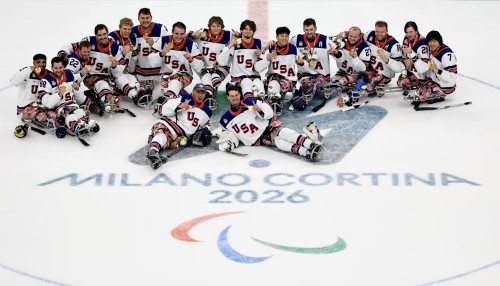
Milano — Para Ice Hockey, la finale USA–Canada alla Santagiulia porta 11.500 persone sugli spalti

Villaggi Paralimpici Milano Cortina 2026: il cuore pulsante tra Alpi e Lombardia
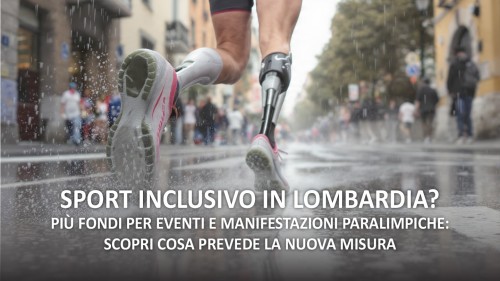
Lombardia — 3 milioni per manifestazioni sportive, quota paralimpica al 15%
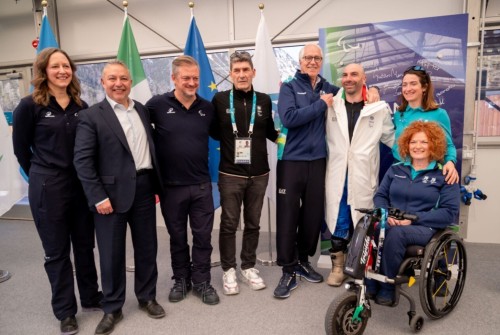
Milano Cortina 2026 — Cortina: svelato il Paralympic Mural nel Villaggio dei Giochi

Paralimpiadi 2026 — Avviamento allo sport cresce del 25%: Lombardia investe sull’accessibilità
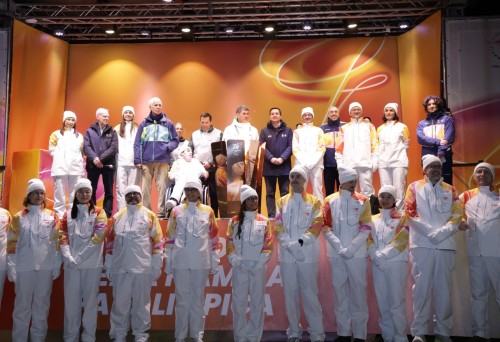
Cortina d’Ampezzo — la Cerimonia di Unione accende la Fiamma Paralimpica

Dardust all’Arena di Verona per l’apertura dei Giochi Paralimpici Invernali Milano Cortina 2026

Olimpiadi 2026 — Picchi: sempre più donne nello sport — a Milano-Cortina una atleta su due
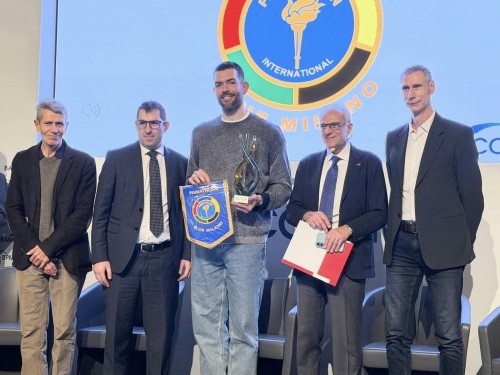
Milano incorona il suo “Robin”: lo sport si racconta anche con la penna al Premio Ciotti 2025